
The Dark Side of Party Culture: Ketamine’s Growing Role in Youth Addiction

It usually starts somewhere ordinary. An after-party in a flat in Observatory, a doof out in the bushveld, a friend’s birthday where someone produces a small bag and says it’s “lighter” than everything else going around. Ketamine has quietly become part of the soundtrack to going out in South Africa, especially for people in their […]
Rising Trends in Ketamine Abuse Across the UK
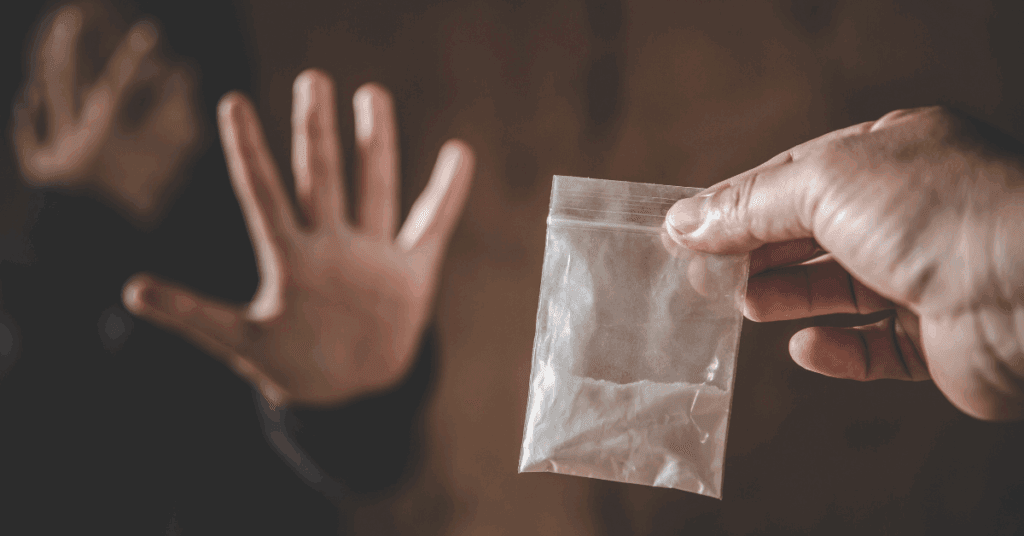
A few years ago, ketamine sat at the edges of British nightlife, something whispered about in club queues and festival fields. That picture has changed. The drug now turns up in sixth-form common rooms, student flats and ordinary house parties, often among people who would never describe themselves as drug users. For families watching a […]
The Benefits of Alcohol Rehabilitation: Understanding Alcohol Dependence

Most people who develop a problem with alcohol can point to a time when it felt ordinary. A glass to unwind after a long day. A few more on the weekend. Drinks to settle the nerves before a difficult meeting or a family gathering. Nothing about it looked like a crisis. That is part of […]
What Makes Alcohol Addiction in Older Adults Different

A glass of wine with supper. A brandy to take the edge off a long, quiet afternoon. For many older South Africans, drinking has been part of life for decades, woven into family braais, church socials, and the wind-down at the end of the day. So when that habit slowly tips into something harder to […]
Group Therapy in Drug Rehabilitation

The first time most people walk into a group therapy room, they want to leave. Sitting in a circle of strangers and talking about the worst parts of your life is nobody’s idea of comfort. Yet by the time many people finish a stay in rehab, that same room is where they feel most understood. […]
Understanding CBT in the Context of Rehabilitation

A person leaving detox often describes the same quiet fear. The shaking has stopped, the worst of the withdrawal has passed, and yet the thought that started it all is still sitting there: I can’t cope without using. Clearing a substance from the body is one thing. Changing the thinking that drove the use in […]
Behavioural Addictions and Mental Health

It rarely starts with a problem. It starts with a bit of fun on a Friday night, a game that helps you switch off after work, an app that fills the quiet moments. Then somewhere along the way the thing that used to bring relief starts running the show. The phone comes out before the […]
Therapy Sessions Based on the 12-Step Recovery Principles

Plenty of people arrive at rehab already wary of the twelve steps. They have heard the language of meetings, the talk of a higher power, the idea of admitting you are powerless, and something in them resists. That hesitation is normal, and it is worth taking seriously rather than brushing aside. Twelve-step facilitation therapy exists […]
How Inpatient Rehab Addresses Severe Addiction

By the time a family reaches out to us, the situation has usually been building for a long while. Sleep is broken, money has gone missing, and someone everybody loves has become harder and harder to recognise. They have tried to stop on their own. They have promised. They have meant it. And still the […]
How Professional Rehab Services Support Long-Term Recovery

By the time most families reach out for help, they have already tried almost everything else. Promises have been made and broken. Money has gone missing. There have been late-night phone calls, hospital visits, and quiet attempts to handle it all privately, hoping that this time the person they love will simply stop. Addiction rarely […]